
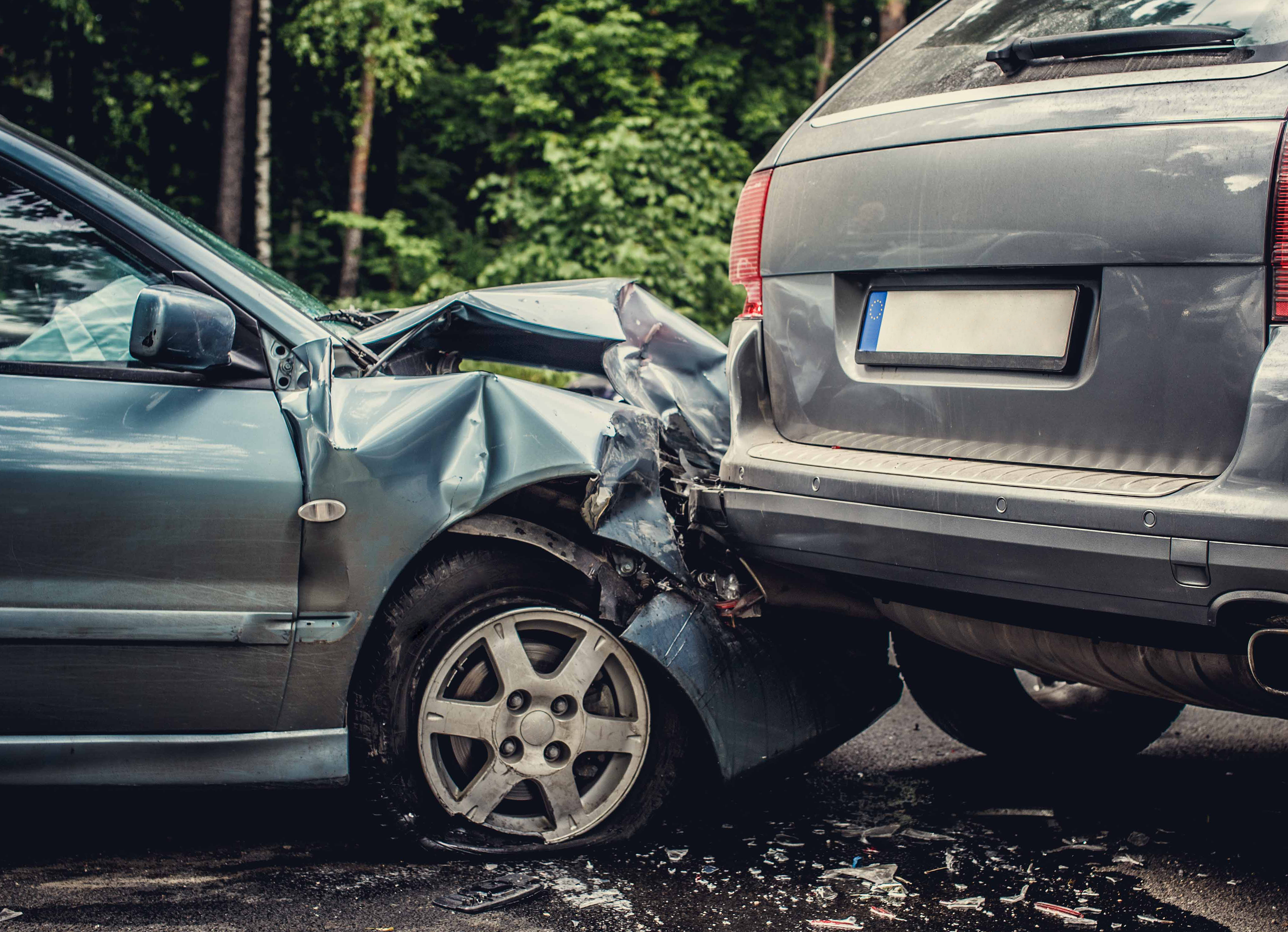
What to Do After an Accident Involving an Uninsured Driver
Being involved in a car accident is stressful, but discovering the other driver doesn’t have insurance can make the situation even more overwhelming. While most states require drivers to carry at least some level of liability coverage, many still take the risk of driving without it. When an uninsured driver is involved, recovering money for medical treatment, lost income, or damage to your car can become more complicated. Still, there are several ways to pursue compensation and protect yourself.
Immediate Steps to Take After the Accident
The actions you take in the moments after a crash can significantly impact your ability to recover costs later. First, check yourself and any passengers for injuries. If anyone is hurt, call 911 right away. Even if the accident seems minor, contacting law enforcement is important so an official accident report can be filed.
While at the scene, gather as much information as you can. This may include the other driver’s name, phone number, and address if they are willing to provide it. Note details about their vehicle and take photos of the crash site, your car, and any visible injuries. These details can be valuable evidence when you file a claim later.
Be sure to notify your insurance company as soon as possible. Most states follow an at-fault model, meaning whoever caused the accident is typically responsible for covering damages. Your insurer will review the circumstances, investigate the crash, and determine who is liable.
Using Your Own Insurance Coverage
If the uninsured driver is found to be at fault, your ability to recover costs often depends on the coverage included in your policy. Many drivers carry uninsured or underinsured motorist coverage (UM/UIM). This type of protection can help pay for medical treatments, lost wages, and sometimes repairs to your vehicle if the at-fault driver does not have enough insurance—or any at all.
Additional optional coverages may also come into play. Collision coverage, for example, can help pay for your car repairs regardless of who caused the accident. Personal injury protection (PIP), available in certain states, can cover medical bills and other related expenses for you and your passengers, no matter who was responsible for the crash.
If you do not have UM/UIM, collision, or PIP coverage, your ability to collect compensation through your insurance may be more limited. Without these protections, you may need to explore alternative routes to recover your losses.
Considering Legal Action
When insurance options are limited, some people choose to pursue a lawsuit against the uninsured driver. A legal claim can help you seek reimbursement for things like medical bills, damage to your car, and even pain and suffering related to the accident.
However, filing a lawsuit is not always the most practical approach. Many uninsured drivers do not have the financial means or assets to pay a court judgment, even if you win. Before deciding on this path, it’s wise to consult with an experienced car accident attorney. They can look at the facts of your situation, help you document your losses, and advise you on whether a lawsuit is likely to lead to meaningful compensation.
What to Do in a Hit-and-Run
Hit-and-run accidents involving unidentified drivers function much like accidents with uninsured motorists. Because the driver cannot be located or identified, your uninsured motorist coverage often becomes the primary source of compensation.
As with any accident, call the police immediately to report the incident. Provide as many details as you can recall, including the direction the other driver fled, the vehicle’s make or color, or any partial license plate information. After filing the police report, notify your insurance company without delay so they can begin processing your UM claim.
Why Consulting an Attorney Can Help
Facing the aftermath of an accident with an uninsured driver can be confusing and stressful, especially when you’re trying to recover financially and physically. You don’t have to go through the process on your own. Partnering with an attorney can help ensure your rights stay protected. They can help you navigate conversations with your insurer, negotiate on your behalf, and explain what compensation you may be entitled to under your policy.
Understanding your insurance coverage and knowing how to respond immediately after the crash can make a significant difference in the final outcome. By taking the right steps early and seeking guidance when needed, you can reduce the financial burden of the accident and put yourself in a better position to recover the compensation you deserve.