
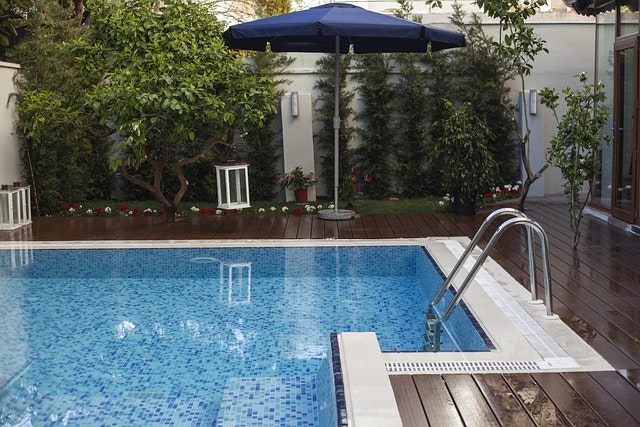
Pool Safety And Liability Guide For Property Owners
Quick Summary: Owning a swimming pool comes with more than just the benefits of relaxation and entertainment—it also brings legal responsibilities. Property owners must understand how safety practices, maintenance, and liability laws intersect to prevent injuries and reduce risk. By staying proactive and informed, homeowners can better protect their guests, their property, and themselves from potential legal claims.
Why Pool Ownership Demands Greater Responsibility
Swimming pools are a popular feature, especially during warm months, but they also introduce a higher level of risk compared to other parts of a property. From slips on wet surfaces to more serious incidents like drowning or equipment-related injuries, pools require constant attention. Even a small oversight can quickly turn into a dangerous situation.
Under premises liability laws, property owners are expected to maintain safe conditions for visitors. If someone is harmed due to a hazard that was not properly addressed, the owner could face legal consequences. A South Carolina attorney or a personal injury lawyer Myrtle Beach residents trust can often explain how these claims arise and what courts look for when determining responsibility.
To establish liability, several factors are typically evaluated. These include whether a dangerous condition existed, whether the owner knew or should have known about it, and whether reasonable steps were taken to fix or warn about the issue. There must also be a clear connection between the hazard and the injury sustained.
Recognizing Hidden Dangers Versus Obvious Risks
Not all hazards carry the same legal weight. Some risks are considered obvious, meaning a reasonable person would naturally recognize them. For instance, most people understand that a wet pool deck can be slippery. In these cases, property owners may not be required to provide warnings.
However, concealed or less noticeable dangers create a stronger obligation for action. These may include:
- Unstable or damaged pool ladders
- Defective drains that create suction hazards
- Cracked or loose tiles beneath the water
- Poorly marked or sudden depth changes
When these types of issues are ignored, they can significantly increase the likelihood of injury. Routine inspections and prompt repairs are essential steps in minimizing both risk and potential liability exposure.
Special Considerations When Children Are Involved
Children are naturally drawn to water, often without understanding the dangers it presents. Because of this, the law applies additional expectations to property owners through what is commonly known as the attractive nuisance doctrine.
This principle recognizes that certain features, like pools, may entice children onto a property. As a result, owners may be required to take extra precautions—even if a child enters without permission. A Myrtle Beach law firm with experience in civil litigation law firm matters can provide guidance on how these cases are evaluated.
Preventive measures often include installing secure fencing at least four feet high, using self-latching gates, and adding alarms to doors or pool areas when necessary. These safeguards are not just recommendations—they may play a critical role in determining whether reasonable care was exercised.
Practical Steps to Improve Pool Safety
Reducing the chances of accidents starts with consistent and thoughtful safety practices. Property owners can take several proactive steps to create a safer environment:
- Control access to the pool area. Barriers and gates help prevent unsupervised entry, particularly by children.
- Maintain all equipment regularly. Ladders, drains, pumps, and covers should be checked frequently to ensure proper function.
- Fix hazards without delay. Address issues like poor lighting, uneven surfaces, or submerged debris as soon as they are identified.
- Ensure active supervision. Assigning a dedicated adult to monitor swimmers during gatherings can significantly reduce risks.
Taking these precautions not only enhances safety but also demonstrates responsible ownership if a legal issue arises. Whether working with a business law attorney or a real estate attorney Myrtle Beach property owners rely on, documentation of these efforts can be valuable.
The Importance of Equipment Maintenance
Properly functioning equipment is a critical part of pool safety. Faulty drains, unstable diving boards, or damaged covers can all contribute to serious injuries. For example, malfunctioning drains can create strong suction forces, posing a risk of entrapment underwater.
In some cases, liability may not rest solely with the property owner. Manufacturers or installers could also be involved if defective products played a role. A civil litigation law firm may evaluate multiple parties when determining accountability in these situations.
Regular servicing and professional inspections can help ensure all components are operating as intended, reducing the likelihood of preventable accidents.
Insurance Considerations for Pool Owners
Because pools increase liability exposure, insurance coverage becomes especially important. Many homeowners’ policies require disclosure of a swimming pool, along with compliance with specific safety standards.
Failing to meet these requirements could impact coverage if an incident occurs. Property owners who frequently host guests may want to review their liability limits carefully. In some cases, adding umbrella coverage can provide additional protection beyond standard policies.
Speaking with a workers’ compensation attorney or estate planning Myrtle Beach professional may also help property owners understand how liability risks fit into broader financial and legal planning.
How to Respond After a Pool-Related Incident
Even with strong safety measures in place, accidents can still happen. When they do, the priority should always be the health and safety of those involved. Seeking immediate medical attention is the first and most important step.
After addressing urgent needs, documenting the scene and gathering witness information can help preserve key details. Property owners should avoid making assumptions about fault or discussing responsibility prematurely.
Consulting with a personal injury lawyer Myrtle Beach residents trust or a criminal defense Myrtle Beach professional, depending on the situation, can provide clarity on legal obligations and next steps. Acting thoughtfully can make a significant difference in how the situation is resolved.
Balancing Enjoyment With Responsibility
A swimming pool can be a valuable and enjoyable feature, bringing people together and creating lasting memories. At the same time, it requires consistent attention to safety, maintenance, and legal compliance.
Working with a Myrtle Beach law firm like Natasha Hanna Law can help property owners better understand their responsibilities. Whether you need guidance from a real estate attorney Myrtle Beach clients rely on or support from a broader civil litigation law firm, having experienced legal insight can help protect your property, your guests, and your peace of mind.